

Service Areas

Toronto Downtown & GTA Real Estate Experts

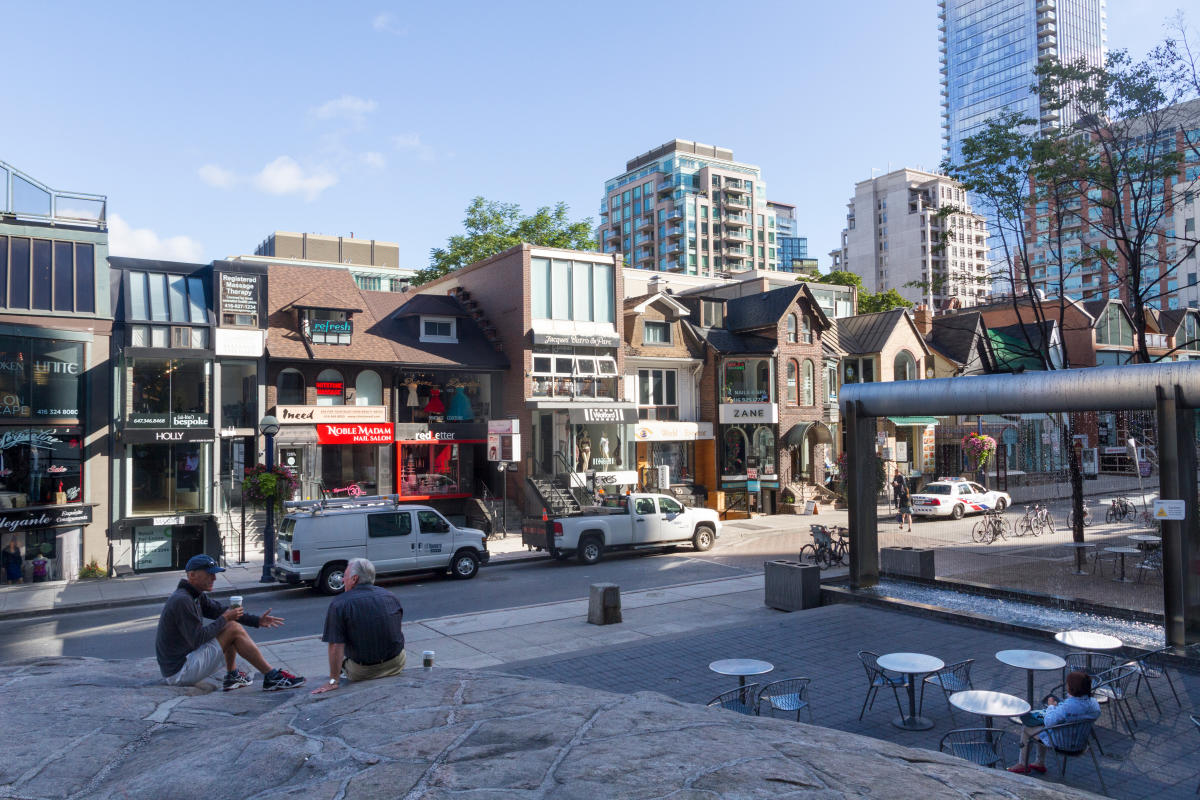
Based at 14B Harbour St, the RE/MAX Plus City team are your premier Toronto Downtown specialists with a reach that extends across the entire GTA. Whether you are searching for a luxury Waterfront condo, a King West loft, or a detached family home in Mississauga, Vaughan, or Oakville, our hyper-local expertise across the Greater Toronto Area provides a definitive competitive edge. Successfully navigating the urban core and suburban markets requires Downtown Toronto agents who understand building-specific fees and regional micro-market trends. From the high-end luxury of Yorkville to the high-growth communities in Richmond Hill and Liberty Village, we deliver real-time insights and proven results for buyers and sellers throughout Toronto and the GTA.

Toronto Real Estate Listings & GTA Homes for Sale

Expertise & Excellence

Full Service Real Estate Solutions

Luxury residential home exterior
01

Buying

Expert guidance to help you acquire premium real estate across Toronto and the Greater Toronto Area.

Discover More
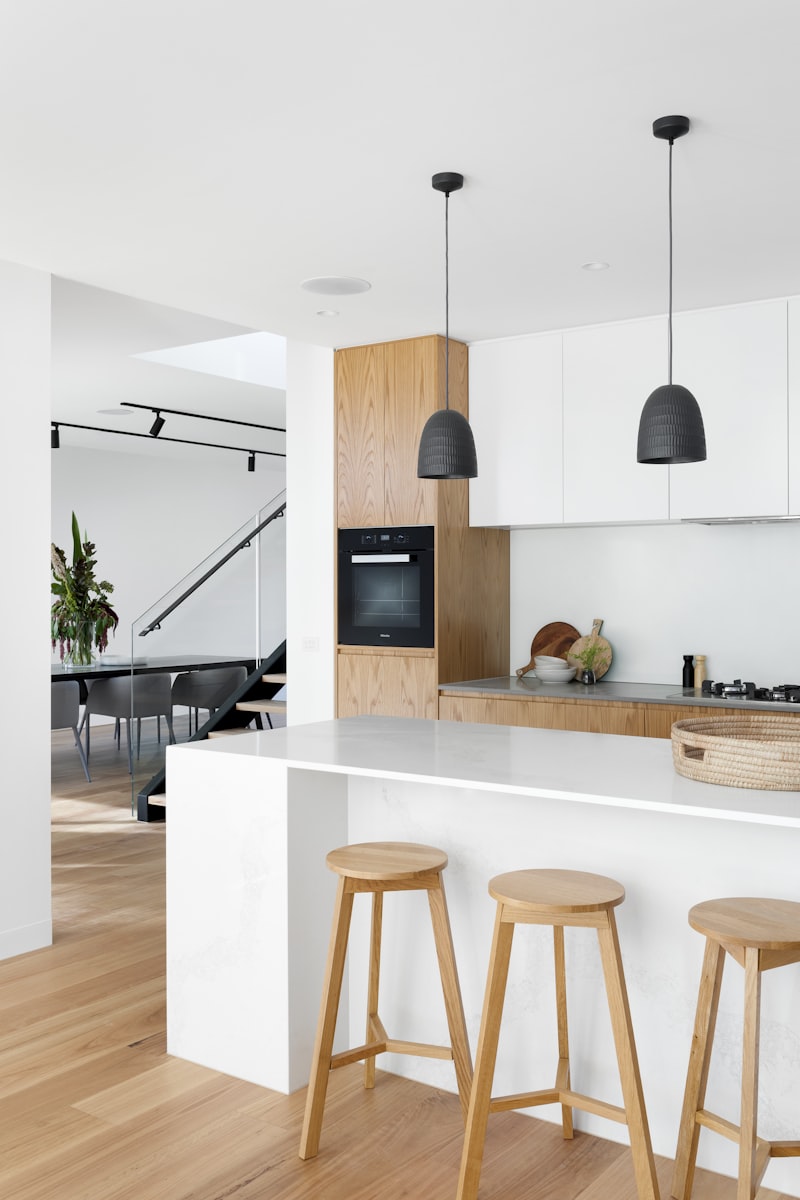
Modern elegant living room interior
02

Selling

Sell your Toronto property with bespoke marketing strategies designed to achieve maximum value.

Discover More
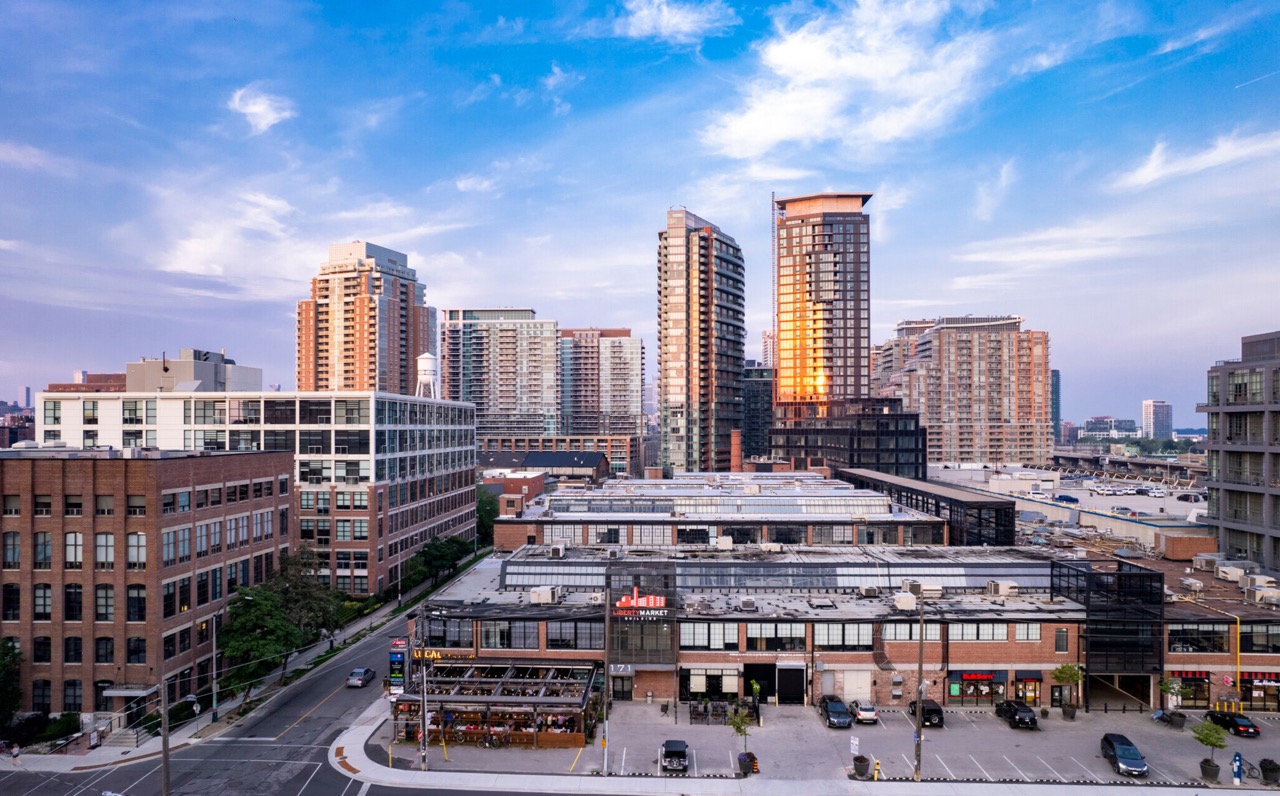
Toronto skyline and luxury high-rise buildings
03

Leasing

Helping landlords seamlessly lease residential and premium commercial spaces across the city.

Discover More
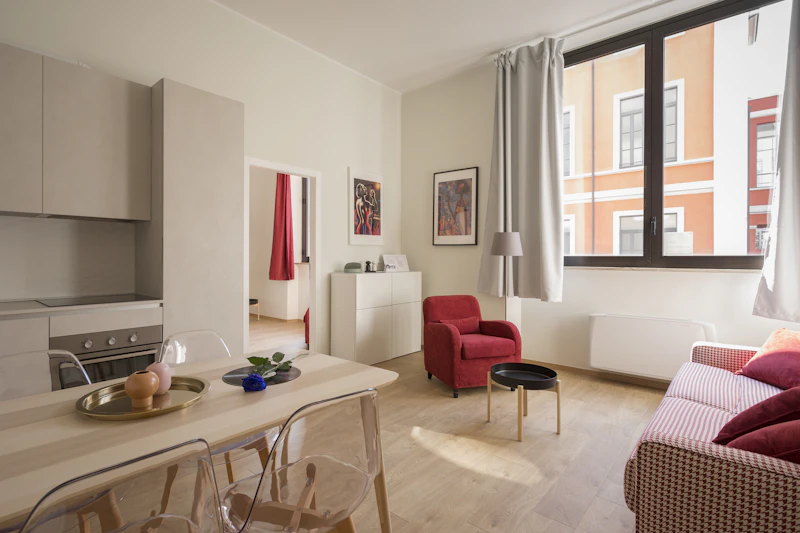
Beautifully staged modern apartment interior
04

Renting

Professional, dedicated support to help tenants secure top-tier properties across the GTA.

Discover More
Sleek empty modern condo with floor to ceiling windows
05

Assignments

Specialized expertise navigating pre-construction and assignment sales safely and profitably.

Discover More

Ready to Find Your Dream Home?

Gain a competitive edge with our hyper-local expertise across the GTA. Let our downtown Toronto real estate agents provide the real-time insights and expert guidance you need for a stress-free home buying experience.

Beautiful view of the Toronto skyline and CN Tower
Local Lifestyle

Experience Toronto Like a True Local

From world-class sports venues to vibrant neighborhood street festivals, the city is always buzzing. Discover our curated guide to the events and communities that make Toronto thrive year-round.

  • Major Arenas & Sports
  • Summer Street Festivals
  • Winter Holiday Markets
  • Iconic Neighbourhoods
Explore the Guide
Next Chapter

Thinking About a New Beginning?

Take the first step toward your fresh start. Whether you're buying, selling, or exploring your options, we're here to guide you every step of the way.

Frequently Asked Questions (FAQ)

What areas does the RE/MAX Plus City Team serve?

While we are premier specialists in Downtown Toronto—including highly sought-after neighborhoods like Yorkville, Liberty Village, King West, and the Waterfront—our reach extends across the entire Greater Toronto Area (GTA). We actively help clients buy, sell, and lease in Mississauga, Vaughan, Oakville, Brampton, Hamilton, Richmond Hill, and beyond.

What sets the RE/MAX Plus City Team apart from other realtors?

What sets us apart is our comprehensive approach. We are more than just a real estate team — we are a unified group of professionals with diverse expertise, all dedicated to helping you. By offering a full range of services, we pair hyper-local knowledge with a vast regional reach. Successfully navigating the GTA market requires agents who genuinely understand the nuances of the area—from building-specific condo fees in the urban core to micro-market trends in suburban high-growth communities. We pride ourselves on clear communication, real-time insights, and a proven track record of top-tier results.

What real estate services do you provide?
  • Buying & Selling: Expert guidance for residential and premium commercial properties, complete with bespoke marketing strategies to maximize your property's value.
  • Leasing & Renting: Seamless services for both landlords and tenants, including property marketing, tenant screening, and securing top-tier units.
  • Specialized Services: We have dedicated expertise in Property Management, Home Staging, Power of Sale, and safely navigating Pre-Construction and Assignment Sales.
What do past clients say about working with the RE/MAX Plus City Team?

We are incredibly proud to have earned over 600 5-star Google reviews from our satisfied clients! Our track record reflects our team's commitment to clinical efficiency, deep market knowledge, and providing a stress-free experience for buyers, sellers, landlords, and tenants alike.

I am a landlord. How can you help me rent out my property?

With over 500 units leased in 2025, we are trusted leaders in GTA rental services. Our focus is entirely on protecting your investment. We prioritize long-term results and securing high-quality, reliable tenants, rather than just rushing to fill the unit. From strict tenant screening to asset protection, we ensure your investment is thoroughly looked after.

Where is your office located, and how can I get in touch?

Our main office is conveniently located right in the downtown core at 14B Harbour St, Toronto, ON, M5J 2Y4.

Do you offer access to Power of Sale properties?

Yes! We provide our clients with an exclusive resource to access and navigate Power of Sale listings. Purchasing a Power of Sale property can be a highly lucrative opportunity but involves a complex legal process. Our specialized team has the expertise to help you identify these unique properties and guide you safely through the transaction.

Do you offer tools on your website to help estimate my real estate costs?

We offer a suite of free online financial calculators directly on our website to help you plan your budget with confidence. You can use our Mortgage Calculator, CMHC Mortgage Insurance Calculator, and Land Transfer Tax Calculator to accurately anticipate your monthly payments and closing costs.

Do you offer home evaluations if I am thinking about selling?

Yes, we do! We provide a comprehensive and completely Free Home Evaluation to help you determine exactly what your property is worth in today's market. Whether you are actively looking to list or simply exploring your options for the future, our team will provide expert, data-driven insights to help you make an informed decision.

RSS

If you've ever wondered why a new condo or home costs more than the land and construction alone would suggest, development charges are a big part of the answer — and a major, very recent policy shift just changed that math significantly. Here's what development charges actually are, and what's new.

What Development Charges Actually Are

Development charges (DCs) are fees the City of Toronto collects from developers to help fund the infrastructure new residents require — roads, transit, water and sewer systems, parks, and community facilities. Rates vary by unit type and size, and until recently they'd been rising steadily.

The Big News: Toronto Just Cut Development Charges by 40-60%

On June 23, 2026, Toronto secured $1.5 billion in federal and provincial funding through the Canada-Ontario Partnership to Build's Development Charge Reduction Program — and in exchange, committed to cutting development charges by 40% to 60% across all residential development types. The reduction applies from March 30, 2026, and runs for roughly three years (through the agreement period), with the goal of directly improving project viability and increasing housing supply.

To put a real number on it: a two-bedroom apartment's development charge was roughly $80,690 under the old rate — the new discounted rate cuts that by about 60%, down to roughly $32,276. Singles and semis see a similar 60% cut, from about $137,846 down to roughly $55,138.

On top of that, Toronto also:

  • Removed indexing for 2025 and 2026, freezing rates rather than letting them climb with construction costs

  • Exempted developments of up to six units (plus a garden or laneway suite) from development charges entirely, effective July 24, 2025

  • Extended indefinite DC deferrals to thousands of purpose-built rental units through its Purpose-Built Rental Housing Incentives program

Why This Matters to You as a Buyer

In most cases, developers build DCs into the purchase price you're quoted rather than itemizing them separately — so a meaningful city-wide DC cut doesn't necessarily show up as a visible line-item discount on your purchase agreement. But it directly affects a builder's cost structure, which is exactly the kind of change that can influence pricing, incentives, and which projects actually get built and launched over the next few years.

What This Means for the Pre-Construction Market Broadly

This kind of DC relief is part of why previously unviable project types — like smaller 7-to-10-unit buildings that didn't pencil out under the old cost structure — are becoming more attractive to build. If you've been watching the shrinking pre-construction pipeline we've covered elsewhere, this is one of the more concrete policy responses aimed at reversing that trend, though it will take time to show up in actual new launches.

What This Means If You're Buying Pre-Construction Right Now

  • Ask your builder directly whether your purchase price already reflects the reduced DC rate, especially on any project that launched or re-priced after March 2026.

  • Understand this is separate from Land Transfer Tax. DCs affect what the builder charges you; LTT is a tax you pay directly to the province and city on closing — use our calculator to keep that number clear in your budgeting.

  • Watch for new project launches over the next year. With this kind of cost relief now in place, it's a reasonable factor behind any pickup in new project announcements you see through 2026 and 2027.

The Bottom Line

Development charges have historically been one of the least visible costs in a new home purchase — but Toronto's recent 40-60% cut is a genuinely significant, very current policy shift, not a minor technical adjustment. It's one of the more concrete signals that the city is actively trying to make new construction pencil out again after a period of steep pipeline decline.

Comparing pre-construction and resale options and want help making sense of how current incentives affect your specific purchase? Contact our team for a clear breakdown.

Read

Every fall, the GTA market either confirms or breaks whatever pattern the summer set up. Here's what's actually worth watching this September, based on where things stood heading out of summer.

The Setup Coming Out of Summer

July's numbers told a specific story: sales down less than 1% year-over-year, but new listings down close to 18% — a supply problem, not a demand problem. That gap tends to matter more in fall than in summer, since fall brings back the buyers who paused for vacation season while the listing shortage has had all summer to compound.

Three Things to Actually Watch This Fall

1. Whether sellers who've been "waiting for better conditions" actually list. Move-up owners who've been reluctant to sell until they find their next home are exactly the group whose decisions determine how tight fall inventory gets. If a meaningful number list in September, some of the current supply pressure eases. If they keep waiting, the tightening we've been tracking continues.

2. Whether the pre-construction pipeline contraction starts showing up in buyer behaviour. Combined pre-construction and under-construction inventory has fallen sharply from its 2022 peak, with no new project launches for two consecutive quarters. That's a multi-year story for resale supply, but it's already shaping how seriously buyers are treating currently available pre-construction opportunities — including projects with VIP pricing still open right now.

3. Whether detached and semi-detached freeholds keep outperforming condos. Detached price benchmarks have been holding up meaningfully better than condo benchmarks all year. If that gap persists into fall, it reinforces the case for buyers to move on well-priced freeholds sooner rather than later, while condo buyers retain more negotiating leverage.

What This Means If You're Selling This Fall

Early-to-mid September tends to capture the most motivated segment of fall buyers — those specifically wanting to close before year-end. With inventory already constrained, a well-presented, realistically priced listing this fall faces less competition than it would have during a typical, better-supplied autumn.

What This Means If You're Buying This Fall

  • Freeholds: Move decisively on well-priced listings in in-demand pockets — tight inventory means less patience pays off less than it did earlier in the year.

  • Condos: Real negotiating room likely remains, particularly in buildings still working through post-completion inventory.

  • Either way: Get your financing sorted before you start touring seriously — a market with less competing inventory rewards buyers who can move quickly on the right listing.

The Bottom Line

Fall 2026 isn't shaping up as a dramatic shift from summer — it's shaping up as a continuation of the same supply-driven tightening, just with more buyers back in the market to feel its effects. Whether you're buying or selling, the smart move is planning around current conditions rather than waiting for a signal that may not come.

Want a read on how this fall's conditions apply to your specific neighbourhood or price point? Contact our team for a current conversation.

Read

Toronto's zoning rules changed enough in the past couple of years that a meaningful share of homeowners now have an option they didn't before: adding a second, third, or even fourth unit to a property that used to be strictly single-family. Here's what that actually means and whether it makes sense for you.

What Changed

Toronto now permits up to four residential units as-of-right on most residential lots — meaning a homeowner can generally add units without a lengthy rezoning application, provided the project meets building code, fire safety, and other standard requirements. This is part of a broader provincial and municipal push toward "gentle density," alongside parking minimum reductions that have made these conversions more feasible on narrower city lots.

The Main Ways Homeowners Are Using This

A basement suite. The most common and typically least expensive option — converting existing basement space into a self-contained legal unit, provided ceiling height and egress requirements are met.

A garden or laneway suite. A standalone secondary structure in the backyard, popular on lots with laneway access, though feasibility depends heavily on lot size and existing structures.

A full multiplex conversion. Converting a single-family home into two, three, or four self-contained units — a bigger undertaking, but one that can substantially change a property's income potential.

Why Homeowners Are Actually Doing This

Rental income to offset ownership costs. With carrying costs elevated across the GTA, a legal secondary unit can meaningfully reduce your effective monthly housing cost — sometimes by more than most homeowners initially expect.

Multi-generational living. A separate unit for aging parents or adult children offers privacy within proximity, without either party taking on a second mortgage.

Long-term resale value. Buyers increasingly search specifically for homes with legal secondary suites, since it directly affects their own mortgage-qualification math if they plan to rent it out.

What to Actually Check Before You Commit

  • Permits are non-negotiable. Any material alteration — new plumbing, structural changes, egress windows — requires a City of Toronto building permit, submitted through the digital ePlans portal. Skipping this risks a Stop-Work Order and real complications at resale.

  • Ceiling height and egress requirements apply. Many older Toronto basements don't meet the minimum ceiling height for a legal suite without underpinning — get this confirmed before you commit to a basement conversion specifically.

  • Budget realistically, including timeline. Standard permits currently run 4-8 weeks, with heritage properties often taking longer. Factor this into any renovation timeline.

  • Understand your obligations as a landlord before you lease it out. Adding a unit means becoming a landlord, with all the screening, notice, and compliance obligations that come with it — thorough tenant screening matters just as much for a new secondary suite as any other rental.

Is It Actually Worth It?

The math depends heavily on your specific lot, existing structure, and local rental demand — but as a general framework: a basement suite typically has the fastest payback period given lower renovation costs, while a full multiplex conversion requires a bigger upfront investment but can more substantially change your property's income profile and long-term resale value.

The Bottom Line

Toronto's multiplex zoning genuinely opened up options that weren't available to most homeowners a few years ago — but "as-of-right zoning" and "properly executed, permitted project" are two different things. The homeowners getting real value from this shift are the ones treating it as a serious renovation project, not a shortcut.

Thinking about adding a unit to your property, or want to know what it could add to your home's value? Contact our team for a property-specific conversation.

Read
This website may only be used by consumers that have a bona fide interest in the purchase, sale, or lease of real estate of the type being offered via the website. The data relating to real estate on this website comes in part from the MLS® Reciprocity program of the PropTx MLS®. The data is deemed reliable but is not guaranteed to be accurate.